

Electric fencing is widely used in Kenya to protect homes, farms, commercial properties, wildlife areas and other perimeters. However, one of the most common questions from property owners is whether an electric fence is safe for animals.
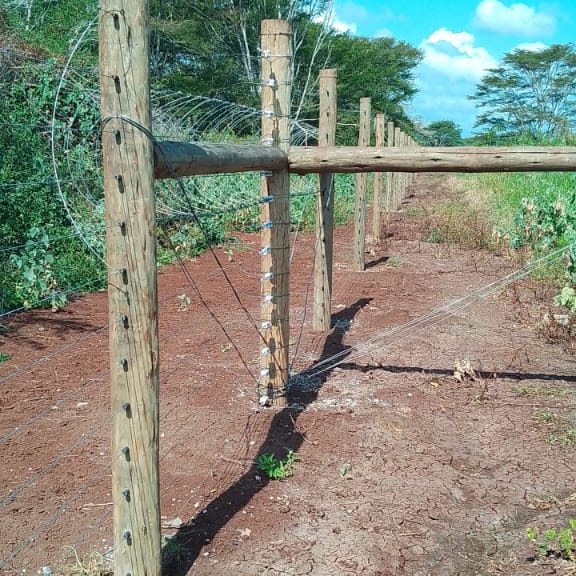
When an electric fence is properly designed, installed and maintained, its purpose is to create a strong deterrent that discourages animals or intruders from crossing the boundary. The system delivers a brief electrical pulse when contact is made with an energized conductor. Proper design, suitable equipment, effective grounding and professional installation are important for maintaining a safe and reliable system.
At TopSec Technologies, we provide electric fence solutions for residential, agricultural, commercial and wildlife applications in Kenya. This guide answers common questions about electric fence safety and explains what property owners should know before installing or modifying an electric fence.
Are electric fences safe for animals?
A properly designed electric fence is intended to deter animals rather than cause unnecessary injury. Unlike a physical barrier that relies entirely on force to stop an animal, an electric fence uses a brief electrical pulse to discourage contact with the boundary.
The level of risk depends on how the system is designed, installed and maintained. Factors such as the energizer, fence configuration, grounding, conductor arrangement, surrounding environment and the type of animals likely to interact with the fence all need to be considered.
For this reason, electric fencing should not be treated as a simple matter of connecting a power source to wires. A professional assessment helps determine an appropriate configuration for the property and its intended use.
How does an electric fence work?
An electric fence consists of several components that work together to create a controlled perimeter-security system.
Typical components include:
An electric fence energizer
Energized wires, rope, tape or electric netting
Support posts
Insulators
An earthing or grounding system
A suitable power source
Warning signs
Connecting cables and other installation accessories
The energizer sends controlled electrical pulses through the live conductors. When an animal or person makes contact with the energized conductor while providing a path to earth, the electrical circuit is completed and a short shock is experienced.
The purpose is to create a memorable deterrent that encourages the animal or intruder to move away from the fence.
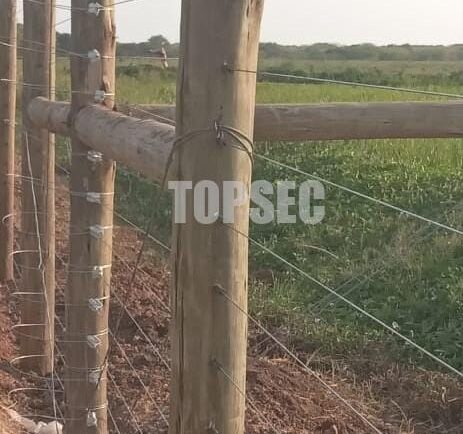
Is electric fencing suitable for livestock?
Electric fencing can be used for a variety of livestock applications, including farms and agricultural properties. It can help control animal movement and discourage livestock from crossing designated boundaries.
However, the fence should be designed around the animals being contained or excluded. Different animals have different sizes, behaviour and movement patterns, so the physical layout of the fence should take these factors into account.
A professional installer can assess the property and recommend the appropriate fence arrangement, conductor positioning and supporting infrastructure for the application.
Is electric fencing safe for pets?
Pets can interact with perimeter fences differently from livestock. Dogs, cats and other domestic animals may approach, jump against or investigate a fence, particularly when they are unfamiliar with the installation.
A suitable design should therefore consider:
The size and behaviour of the animals
Potential points where an animal could become trapped
Fence height and conductor placement
Nearby objects that could allow an animal to reach the fence
Access gates and other openings
Warning signs and visibility
Property owners should also avoid placing objects close to the fence that could encourage animals to climb or become entangled.
If you have pets on the property, tell the installer before the system is designed so that animal safety can be incorporated into the installation.
What about wildlife and electric fences?
Electric fencing is also used in wildlife and conservation environments. In these situations, the design requirements can be more complex because the system may need to discourage particular species while protecting animals and maintaining the integrity of the perimeter.
Wildlife fencing may be used around:
Game reserves
Conservancies
National parks
Farms bordering wildlife areas
Private wildlife properties
Conservation projects
The appropriate design depends on the species involved, the terrain, the purpose of the perimeter and the surrounding environment.
Wildlife applications should therefore receive a site-specific assessment rather than relying on a standard residential fence design.
What determines the safety of an electric fence?
Electric fence safety is influenced by the entire installation rather than one component.
Important considerations include the energizer specifications, pulse characteristics, grounding system, conductor arrangement, insulation, fence condition and installation environment.
A professionally designed system should also take into account vegetation, soil conditions, weather exposure and the possibility of contact with other structures.
Regular maintenance is equally important. A fence that was correctly installed can become unreliable or unsafe if components deteriorate, wires become damaged or the grounding system develops problems.
Can an existing fence be electrified?
In some situations, an electric fence can be installed alongside or onto an existing perimeter. However, the existing structure must first be assessed.
Simply connecting electricity to an existing barbed-wire or metal fence can create serious safety problems if the installation is not properly designed.
An installer should assess:
The existing fence construction
The condition of posts and supports
Whether conductors can be safely mounted
Separation between energized and non-energized components
Grounding requirements
Gates and access points
Nearby electrical or metallic structures
The safest approach is to have an existing fence assessed before adding an electric component.
What are the main components of an electric fence?
Understanding the basic components helps property owners make informed decisions when selecting an electric fencing system.
Electric fence energizer
The energizer is the central component of the system. It produces controlled electrical pulses that travel through the energized conductors.
The energizer should be appropriate for the size and configuration of the fence. Larger or more demanding installations may require different equipment from a small residential perimeter.
Electric fence wires, rope or tape
The energized conductor carries the electrical pulse around the perimeter.
Depending on the application, systems may use wire, electric rope, electric tape or electric netting.
Insulators
Insulators separate the energized conductor from the supporting structure. Good-quality insulators help prevent unwanted electrical losses and maintain system performance.
Support posts
Posts hold the conductors in the required positions. They may form part of a dedicated electric fence or be mounted on an existing wall, fence or other perimeter structure.
Grounding system
Grounding is essential to electric fence operation. It provides the return path required for the electrical circuit when contact is made with an energized conductor.
Poor grounding can reduce fence performance and make it difficult to maintain the intended voltage around the perimeter.
Warning signs
Electric fence warning signs alert people that an energized fence is present. They should be clearly visible and positioned where people are likely to approach or interact with the perimeter.
Why is grounding important?
Grounding is one of the most important parts of an electric fence installation.
An electric fence depends on a complete electrical circuit. When contact occurs, the electrical pulse needs an effective path through the ground and back to the energizer.
If the grounding system is inadequate, the fence may not perform as intended. Dry soil, poor connections, damaged grounding components and unsuitable installation practices can all affect performance.
Professional installation should therefore include appropriate grounding and testing.
How can you tell whether an electric fence is working properly?
An electric fence should be inspected and tested regularly rather than assuming that it continues to operate correctly after installation.
Signs that a system may require attention include:
Reduced fence voltage
Repeated alarms or fault notifications
Broken or loose wires
Damaged insulators
Vegetation touching energized conductors
Damaged posts
Poor grounding connections
Physical damage caused by animals or weather
Problems following storms or power interruptions
A sudden reduction in performance should be investigated rather than ignored.
Does vegetation affect an electric fence?
Yes. Vegetation can interfere with electric fence performance when plants, grass, branches or other materials come into contact with energized conductors.
This can cause electrical losses and reduce the effectiveness of the fence.
For this reason, vegetation management should form part of routine electric fence maintenance. The amount of maintenance required depends on the property, climate, vegetation and fence design.
Properties with fast-growing vegetation may require more frequent inspections.
Do electric fences require maintenance?
Yes. Regular maintenance helps maintain both security performance and system reliability.
Maintenance can include checking:
Energizer operation
Fence voltage
Grounding connections
Wire tension and condition
Insulators
Posts and supports
Vegetation around conductors
Gates and access points
Warning signs
Alarm and monitoring equipment
Connections and cables
Maintenance is particularly important after heavy rainfall, storms, construction work or physical damage to the perimeter.
Are electric fences expensive in Kenya?
The cost of an electric fence in Kenya depends on the size and characteristics of the installation rather than a single fixed price.
Factors that can affect the overall cost include:
Perimeter length
Type of electric fence
Number of conductors
Energizer requirements
Type and number of support posts
Insulators
Grounding requirements
Existing wall or fence conditions
Access gates
Alarm or monitoring features
Terrain
Installation complexity
Maintenance requirements
A professional site assessment provides a more meaningful estimate than relying on a generic price per metre.
The cost should also be considered against the value of the property, equipment, livestock or other assets being protected.
Where can electric fencing be used in Kenya?
Electric fencing can be adapted for a range of applications when appropriately designed.
Common applications include:
Residential homes and compounds
Farms and agricultural properties
Commercial premises
Industrial properties
Warehouses
Schools and institutions
Wildlife reserves and conservancies
Properties requiring additional perimeter protection
The correct system depends on the security objective and physical characteristics of each property.
Electric fencing for homes
For residential properties, electric fencing can provide an additional security layer around an existing wall or perimeter fence.
A common installation involves mounting energized conductors on brackets or other supports above an existing wall or fence. This can make climbing or crossing the perimeter more difficult.
The system can also be integrated with other security measures where required.
Electric fencing for farms
Farms may use electric fencing for both security and animal-management purposes.
Depending on the application, the system can help protect property against unauthorized access, control livestock movement or create boundaries around specific areas.
Farm installations often require careful consideration of terrain, vegetation, animal behaviour and the length of the perimeter.
Wildlife properties have different requirements from residential installations. The fence may need to account for large animals, animal movement patterns, terrain and conservation objectives.
A wildlife electric fence should therefore be designed specifically for the species and environment involved rather than applying a standard domestic configuration.
Electric fence safety tips for property owners
Property owners can help maintain a safe electric fence by following good maintenance practices.
Do not modify an energized fence without understanding the system.
Keep vegetation away from energized conductors.
Inspect the fence after severe weather.
Replace damaged insulators and wires promptly.
Keep gates and access points in good condition.
Ensure warning signs remain visible.
Keep children away from electric fence equipment.
Do not allow objects to lean against energized conductors.
Have persistent electrical faults investigated by a qualified technician.
Arrange professional inspection when the fence is damaged or its performance changes.
Why professional electric fence installation matters
An electric fence is only as effective as its design, installation and maintenance.
Professional installation allows the perimeter to be assessed before equipment is selected. This helps identify issues involving terrain, existing structures, vegetation, grounding, access points and the animals or people likely to interact with the fence.
At TopSec Technologies, our electric fencing services are designed around the requirements of each property. We provide electric fence installation and related solutions for residential, agricultural, commercial and other applications in Kenya.
We can also provide guidance on system operation, maintenance and ongoing support after installation.
Electric fence safety FAQs
Can an electric fence kill an animal?
A properly designed electric fence is intended to act as a deterrent through controlled electrical pulses. However, no electrical system should be treated as inherently risk-free. Incorrect equipment, poor installation, unsafe modifications or unsuitable applications can create hazards.
Professional design and installation are therefore important, particularly where livestock, pets or wildlife are involved.
Can an electric fence hurt a dog?
An electric fence can cause a dog to experience an electrical shock when it makes contact with an energized conductor. The system should be appropriately designed for the property and animals present, with attention given to preventing entanglement and other hazards.
Can you install an electric fence on a wall?
Yes. Electric fence conductors can often be installed on brackets above or alongside an existing wall, provided the wall and mounting conditions are suitable.
How often should an electric fence be checked?
The required inspection frequency depends on the installation and environment. Properties with vegetation growth, frequent animal contact, harsh weather or other sources of physical damage may require more frequent checks.
Why does my electric fence keep losing power?
Possible causes include vegetation contacting the wires, damaged insulation, broken conductors, poor grounding, faulty connections or problems with the energizer. A technician can test the system to identify the source of the problem.
Should an electric fence have warning signs?
Yes. Clearly visible warning signs help alert people to the presence of an energized perimeter and are an important part of responsible electric fence installation.
Choose professional electric fencing in Kenya
Electric fencing can provide an effective additional layer of perimeter protection while also serving specialised agricultural and wildlife applications. Its safety and effectiveness depend on appropriate equipment, proper installation, suitable grounding, correct configuration and regular maintenance.
If you are considering an electric fence for your home, farm, business, wildlife property or existing perimeter, TopSec Technologies can assess your requirements and recommend a suitable solution.
Need an electric fence in Kenya? Contact TopSec Technologies for professional electric fence installation, maintenance and a quotation tailored to your property.
Call: 0727 998 426
Request a quote and discuss your electric fencing requirements with TopSec Technologies.
