

The Importance of CCTV Cameras in Kenya
Security has become an important consideration for homeowners, businesses, institutions and property managers across Kenya. Whether you own a residential property, retail shop, office, warehouse, school or commercial facility, having the right security measures can help protect people and property.
One of the most effective security solutions is a CCTV camera system. Modern CCTV technology allows property owners to monitor their premises, record activity and review events when necessary.
But why are CCTV cameras important in Kenya?

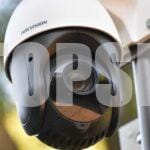
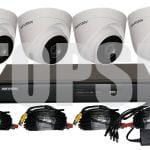
Here are some of the key benefits of installing a professionally designed CCTV surveillance system.
1. CCTV cameras help deter crime
One of the main reasons people install CCTV cameras is to discourage criminal activity.
Visible security cameras can make potential intruders think twice before attempting theft, vandalism or unauthorized access. For businesses, cameras positioned around entrances, parking areas, warehouses and other vulnerable locations can provide an additional layer of security.
CCTV should not be considered a guarantee against crime, but its presence can contribute to a stronger overall security strategy.
2. CCTV provides continuous property monitoring
A CCTV system allows you to monitor important areas of your property even when you are not physically there.
Depending on the system installed, you can monitor:
- Building entrances
- Gates and compounds
- Parking areas
- Shops and offices
- Warehouses
- Reception areas
- Storage facilities
- Other high-risk areas
With modern IP CCTV systems and appropriate network connectivity, authorized users can also access live video remotely.
This is particularly useful for business owners and property managers who cannot be at their premises throughout the day.


3. CCTV cameras help protect valuable property
Homes and businesses contain valuable assets that need protection.
These may include:
- Cash and point-of-sale areas
- Stock and merchandise
- Computers and electronics
- Machinery
- Documents
- Vehicles
- Storage facilities
- Business equipment
Strategically positioned CCTV cameras can help monitor these areas and provide a visual record of activity.
For businesses with expensive stock or equipment, surveillance can form an important part of a broader loss-prevention strategy.
4. CCTV can provide valuable evidence
If an incident occurs, recorded CCTV footage can help establish what happened.
Video footage may help identify:
- People entering or leaving a property
- The timing of an incident
- Vehicles involved
- Suspicious activity
- Damage to property
- Theft or unauthorized access
The usefulness of recorded footage depends on factors such as camera positioning, image quality, lighting, storage duration and the system’s recording settings.
This is why professional CCTV system design is important.
5. CCTV improves security for businesses
Businesses often have multiple areas that need monitoring at the same time.
A well-designed CCTV system can help business owners and managers monitor activities across offices, shops, warehouses, entrances and other operational areas.
CCTV can also support investigations into incidents such as:
- Theft
- Unauthorized access
- Property damage
- Disputes
- Suspicious activity
- Stock-related incidents
For larger premises, multiple cameras can be combined into one centralized surveillance system.
6. CCTV helps monitor homes and residential properties
CCTV is not only for commercial properties.
Homeowners can use security cameras to monitor areas such as gates, driveways, entrances, compounds and other vulnerable points around the property.
Remote viewing can also allow homeowners to check their property while away, provided the CCTV system has been configured for secure remote access.
For residential installations, camera positioning should balance security coverage with privacy considerations.
7. CCTV can support employee and workplace security
Businesses have a responsibility to provide a reasonably safe working environment.
CCTV cameras can help monitor entrances, common areas, parking facilities and other appropriate workplace locations.
They can also provide a record that may help investigate workplace incidents.
However, CCTV in workplaces should be implemented responsibly, with consideration for employee privacy and applicable Kenyan requirements.
8. CCTV allows remote security monitoring
Modern surveillance systems have changed significantly from traditional cameras connected only to a local monitor.
Many IP CCTV systems can be configured for remote access through compatible applications and devices.
Depending on the equipment, authorized users may be able to:
- View live footage
- Review recordings
- Receive alerts
- Check different cameras
- Monitor their property remotely
This gives property owners greater visibility even when they are away from the premises.
9. CCTV can be integrated with other security systems
CCTV does not have to operate as a standalone security solution.
Depending on the property and equipment, surveillance cameras can form part of a wider security system that may include:
- Intruder alarms
- Access control
- Electric fencing
- Intercom systems
- Gate automation
- Security lighting
- Other monitoring technologies
Integrating different security technologies can provide multiple layers of protection.
10. CCTV can improve security awareness
Cameras provide property owners and security personnel with greater visibility of what is happening around a property.
Instead of relying entirely on physical patrols or reports after an incident, CCTV can provide visual information about activity in monitored areas.
This can be particularly valuable for large properties with multiple access points.
11. CCTV technology is now available for different budgets
CCTV systems are no longer limited to large corporations and major commercial facilities.
There are surveillance solutions suitable for different types of properties and budgets.
The final cost depends on factors such as:
- Number of cameras
- Camera resolution
- Camera type
- Recording equipment
- Storage capacity
- Cabling
- Installation complexity
- Remote monitoring requirements
- Additional security features
Rather than choosing equipment based only on price, it is better to select a system based on the actual security requirements of the property.
12. Professional CCTV installation improves system effectiveness
Buying cameras is only one part of creating an effective surveillance system.
Camera placement, viewing angles, lighting, cabling, recording settings and storage requirements all affect the quality of a CCTV installation.
A professional installer can assess the property and determine where cameras should be positioned to provide useful coverage while minimizing blind spots.
The installation should also include appropriate configuration and testing so that the system operates as intended.
CCTV cameras are an important part of modern security in Kenya
The importance of CCTV cameras in Kenya goes beyond simply recording video.
A properly designed surveillance system can help deter unwanted activity, monitor property, protect valuable assets, support incident investigations and provide remote visibility.
However, CCTV works best when it is combined with other appropriate security measures and professionally designed for the specific property.
If you are considering installing CCTV cameras for your home, office, shop, warehouse or other property, the first step is to determine your coverage requirements and choose equipment that matches your environment.
TopSec Technologies provides CCTV camera solutions and professional CCTV installation services in Kenya. Our team can help assess your property, recommend suitable surveillance equipment and configure your system according to your security requirements.
Call 0727 998 426 to discuss your CCTV requirements or request a quotation.
