

Wildlife Electric Fence Installation Project in Kenya: A TopSec Technologies Case Study
Human-wildlife conflict remains one of the greatest challenges facing farmers, ranch owners, conservancies, and institutions located near Kenya’s national parks, forests, and wildlife migration corridors. Every year, crops worth millions of shillings are destroyed by elephants, livestock is attacked by predators, and communities experience frequent conflicts with wildlife searching for food and water.
Protecting farms without harming wildlife requires a sustainable and humane solution. This is where professionally designed electric fencing plays a vital role.
This case study highlights how TopSec Technologies approaches wildlife electric fence installation projects across Kenya. From the initial site survey to the final system testing, every installation is designed to provide reliable protection while supporting wildlife conservation efforts. The project demonstrates how proper planning, high-quality materials, and professional installation can significantly reduce human-wildlife conflict while protecting farms, livestock, and natural ecosystems.
Project Overview
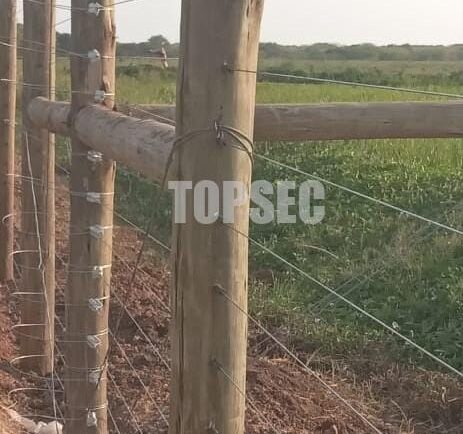

The project involved designing and installing a wildlife electric fence for a large agricultural property located near an active wildlife movement corridor in Kenya. The property experienced frequent incursions by elephants, buffaloes, and other wild animals that caused crop destruction and threatened livestock.
The client required a security solution that would:
- Protect crops from wildlife damage
- Reduce livestock losses
- Maintain safe boundaries without harming animals
- Operate reliably throughout the year
- Minimize maintenance costs
- Integrate with existing perimeter infrastructure where possible
After conducting a comprehensive site assessment, TopSec Technologies developed a customized wildlife electric fencing solution tailored to the property’s terrain, wildlife activity, and operational requirements.
Understanding the Client’s Challenge
Like many farms situated close to protected wildlife areas, the property faced recurring losses due to animal movement.
The primary concerns included:
- Elephants destroying crops during the night
- Buffaloes breaking traditional fences
- Hyenas threatening livestock
- Baboons raiding fruit and vegetable farms
- Unauthorized access through damaged perimeter fencing
Traditional fencing methods had proven ineffective because they lacked both the physical strength and active deterrence needed to stop large animals.
The client needed a long-term investment rather than a temporary solution.
Initial Site Assessment
Every wildlife fencing project begins with a detailed inspection of the property.
During this assessment, TopSec Technologies evaluated several critical factors.
Property Perimeter
The total fence length was measured to determine the amount of materials required and identify high-risk entry points.
Terrain
Different sections of the property featured varying terrain, including:
- Flat farmland
- Rocky areas
- Gentle slopes
- Dense vegetation
These conditions influenced post spacing and installation techniques.
Wildlife Activity
Understanding wildlife behavior was essential.
The team identified common animal paths used by:
- Elephants
- Buffaloes
- Hyenas
- Warthogs
- Monkeys
- Baboons
Knowing how wildlife approached the farm helped determine fence height, wire spacing, and energizer requirements.
Existing Infrastructure
The assessment also examined:
- Existing perimeter walls
- Access gates
- Internal roads
- Utility power availability
- Drainage systems
This information ensured the new fence integrated seamlessly with the existing property layout.
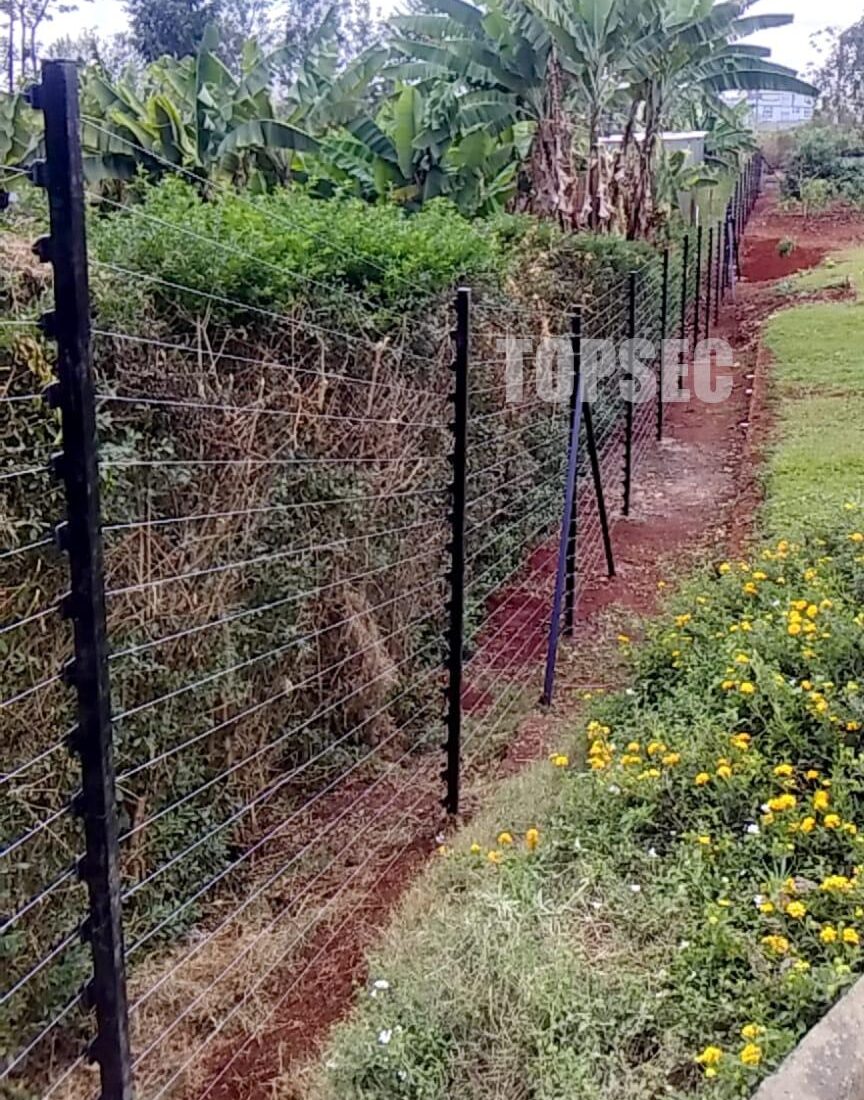

Designing the Wildlife Electric Fence
Every wildlife fencing project is unique.
Instead of installing a standard system, TopSec Technologies developed a customized design based on the specific risks identified during the site survey.
The design focused on:
- Maximum wildlife deterrence
- Long-term durability
- Ease of maintenance
- Efficient power distribution
- Safety for both humans and animals
Proper fence design plays a critical role in determining the long-term effectiveness of any wildlife electric fence.
Choosing the Right Fence Materials
Selecting the appropriate materials was one of the most important stages of the project.
Only high-quality components were chosen to ensure reliable performance under Kenya’s varying environmental conditions.
The installation included:
High-Tensile Galvanized Wire
The fence wires were selected for their:
- high conductivity
- corrosion resistance
- long lifespan
- ability to maintain tension over long distances
These wires provide consistent electrical performance while requiring minimal maintenance.
Heavy-Duty Fence Posts
Strong galvanized steel posts were installed throughout the perimeter.
The posts were designed to withstand:
- animal pressure
- harsh weather
- soil movement
- long-term exposure
Additional reinforcement was installed at corners and gate sections where higher tension was expected.
Premium Insulators
Heavy-duty UV-resistant insulators prevented electrical leakage while maintaining proper wire alignment.
This ensured maximum voltage efficiency throughout the entire fence.
High-Performance Energizer
A professional low-impedance energizer was selected to deliver powerful, controlled pulses capable of deterring large wildlife species.
The energizer was sized according to:
- fence length
- vegetation levels
- expected wildlife pressure
Solar Backup System
Because uninterrupted operation was essential, the system incorporated solar charging and battery backup.
This ensured continuous operation even during power outages.
Grounding System
Multiple earth rods were installed to provide an efficient grounding system.
Proper grounding is one of the most overlooked aspects of electric fencing but is essential for maintaining effective shock performance.
Installation Process
Once the design was approved, installation began.
Preparing the Site
The perimeter was cleared of excessive vegetation that could interfere with installation.
Ground levels were checked to maintain consistent fence height throughout the property.
Installing Fence Posts
Posts were carefully positioned according to the approved design.
Additional bracing was installed at:
- corners
- gate entrances
- direction changes
This ensured structural stability across the entire perimeter.

Installing Electric Fence Wires
The high-tensile wires were tensioned evenly to maintain consistent spacing and voltage distribution.
Wire spacing was specifically designed to discourage:
- climbing
- crawling
- jumping
- pushing through
Different wildlife species require different spacing configurations.
Installing the Energizer
The energizer was installed in a secure location protected from weather and unauthorized access.
Connections were tested before energizing the fence.
Grounding Installation
The grounding system was installed in suitable soil conditions to maximize conductivity.
Ground resistance testing confirmed the system met performance requirements.
Warning Signs
Clearly visible warning signs were positioned around the perimeter to improve public safety and comply with recommended installation standards.
Testing and Commissioning
Before handing over the project, every component underwent detailed testing.
The commissioning process included:
- voltage testing
- grounding verification
- wire tension inspection
- alarm functionality checks
- energizer performance testing
The fence was energized only after all performance standards had been met.
Challenges Encountered During Installation
Like many large-scale projects, this installation presented several challenges.
Uneven Terrain
Rocky sections required specialized installation techniques to maintain fence stability.
Dense Vegetation
Sections of dense vegetation had to be cleared carefully without disturbing surrounding ecosystems.
Wildlife Activity
Installation schedules were adjusted to minimize interference with normal wildlife movement.
Weather Conditions
Changing weather occasionally slowed progress, requiring careful planning to maintain installation quality.
Despite these challenges, the project was completed successfully within the planned schedule.
Results Achieved
Following commissioning, the client experienced significant improvements in perimeter security.
The project delivered several measurable benefits.
Reduced Wildlife Intrusion
The electric fence effectively discouraged elephants, buffaloes, and other wildlife from entering the protected area.
Lower Crop Losses
The reduction in wildlife incursions helped preserve crops throughout the growing season.
Improved Livestock Protection
Predator attacks on livestock were significantly reduced after installation.
Better Property Security
The active perimeter also discouraged unauthorized human access, improving overall security.
Lower Maintenance Costs
The use of premium materials reduced repair requirements compared to traditional fencing methods.
Why Professional Design Matters
Many electric fences fail because they are poorly designed rather than poorly built.
Successful wildlife fencing depends on:
- correct energizer sizing
- proper grounding
- accurate wire spacing
- quality materials
- professional installation
Skipping any of these elements reduces fence performance and increases maintenance costs.
Lessons Learned from the Project
Every wildlife fencing installation provides valuable insights.
This project reinforced several important principles.
Every Property Is Different
Wildlife behavior varies from one location to another.
Fence designs should always be customized.
Quality Materials Save Money
Although premium materials require a higher initial investment, they significantly reduce long-term maintenance costs.
Proper Planning Prevents Problems
A detailed site assessment allows installers to anticipate challenges before construction begins.
Maintenance Remains Important
Even professionally installed systems require routine inspections to maintain optimal performance.
Applications for Wildlife Electric Fencing
The same installation principles can be applied across many sectors.
TopSec Technologies designs electric fencing for:
- wildlife conservancies
- commercial farms
- livestock ranches
- tea estates
- coffee plantations
- horticultural farms
- game reserves
- institutions near wildlife habitats
- private estates
- industrial facilities
Each project is designed according to its specific operational requirements.
Why Choose TopSec Technologies?
TopSec Technologies has completed electric fencing projects across Kenya for residential, agricultural, commercial, industrial, and conservation clients.
Our approach combines technical expertise with practical field experience.
Clients choose us because we provide:
- Comprehensive site assessments
- Custom fence designs
- High-quality electric fence materials
- Certified installation technicians
- Solar-powered electric fence solutions
- Professional system testing
- Ongoing maintenance services
- Competitive pricing
- Reliable after-sales support
Every installation is completed using industry best practices to ensure long-term reliability and maximum security.
Areas We Serve
TopSec Technologies provides wildlife electric fence installation services throughout Kenya, including:
- Nairobi
- Naivasha
- Narok
- Kajiado
- Laikipia
- Nanyuki
- Meru
- Embu
- Nyeri
- Nakuru
- Eldoret
- Kitale
- Kisumu
- Kakamega
- Bungoma
- Mombasa
- Kilifi
- Malindi
- Kwale
We also undertake projects in conservancies, ranches, and remote agricultural regions across East Africa.
Frequently Asked Questions
How long did this wildlife electric fence installation take?
Project duration depends on the size of the property, terrain, weather conditions, and fence design. Most installations are completed within a few days to several weeks.
Was the fence powered by solar energy?
Yes. This project incorporated a solar backup system to ensure continuous operation during power outages and in remote locations.
Does the fence harm wildlife?
No. Properly installed electric fences deliver short, controlled, non-lethal pulses that deter animals without causing permanent injury.
Can electric fences stop elephants?
Professionally designed wildlife electric fences are highly effective in discouraging elephants and other large animals from entering protected areas when installed with the correct energizer capacity and fence configuration.
Does TopSec Technologies customize every wildlife fence?
Yes. Every project begins with a detailed site survey to assess wildlife activity, terrain, perimeter size, and security objectives before developing a tailored fencing solution.
Secure Your Farm or Conservancy with a Proven Wildlife Electric Fence Solution
Protecting agricultural investments and conserving wildlife requires more than a standard perimeter fence. It demands a professionally designed system that balances security, durability, and environmental responsibility.
This project demonstrates how TopSec Technologies delivers practical wildlife electric fencing solutions that reduce human-wildlife conflict while protecting crops, livestock, and valuable property. Whether you manage a commercial farm, a conservancy, a ranch, or an institution near wildlife habitats, our experienced team can design and install a solution that meets your unique requirements.
Contact TopSec Technologies today to schedule a free site survey and consultation, and let us help you build a safer, more secure perimeter with a professionally installed wildlife electric fence.
